Bullion Equity LLC
buying, selling & refining
Precious Metals Refining
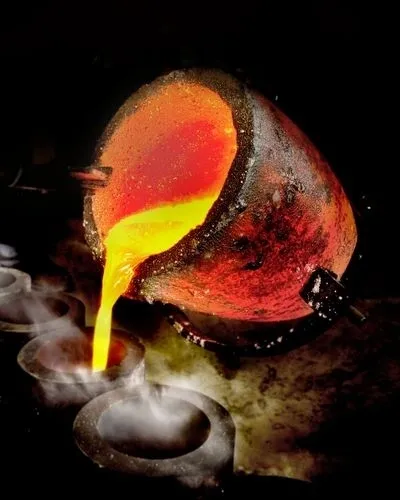
No quantity is too small or too large for us
Do you have small or large amounts of unknown, questionable precious metals lying around—old gold jewelry, silver contacts, sterling silver items, platinum, palladium, dental scraps, wires, rods, iridium, and more? Unlike large refiners who only deal with bulk quantities, we specialize in helping individuals like you turn those items into spending money.
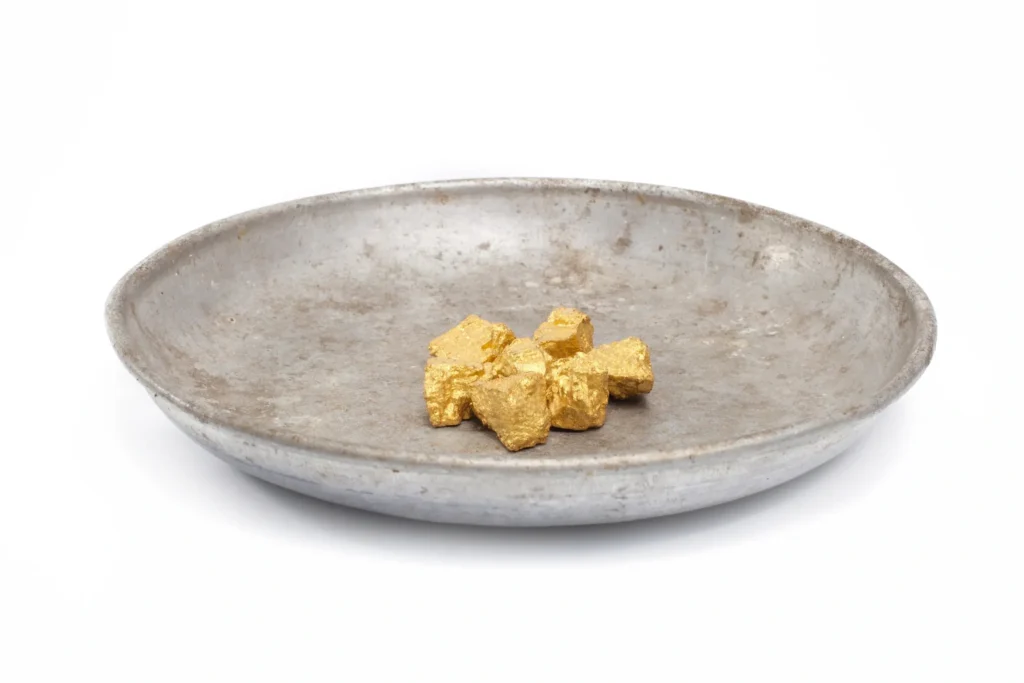
Refining precious metals is the process of purifying raw materials containing gold, silver, platinum, palladium, or other precious metals to remove impurities and produce high-purity bullion or industrial-grade materials.
Due to our extensive partner network, we are able to refine more items than competitors. Get in touch to learn more about the refining options we offer, including pricing and timelines for processing your materials.
Types of Metal We Refine
Gold
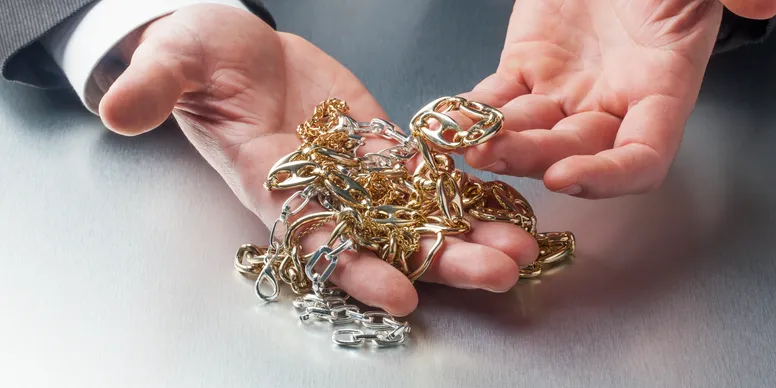
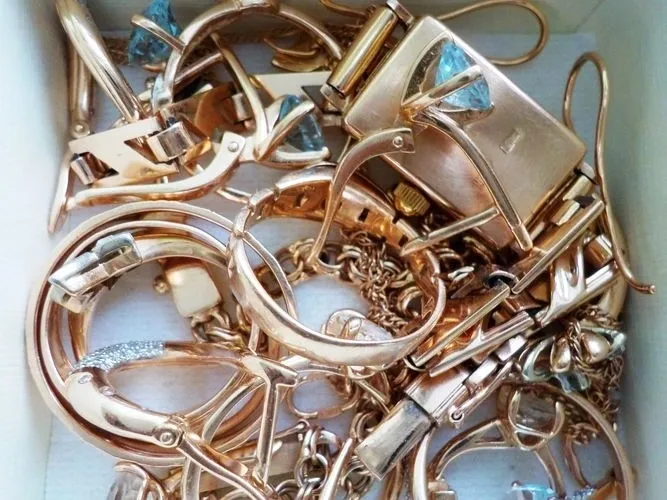
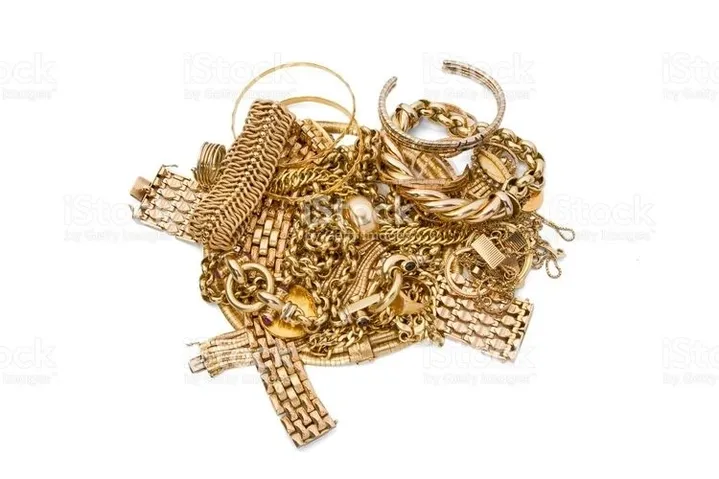
Whether it’s broken, outdated, or mismatched jewelry, we refine all types of gold items.
Silver
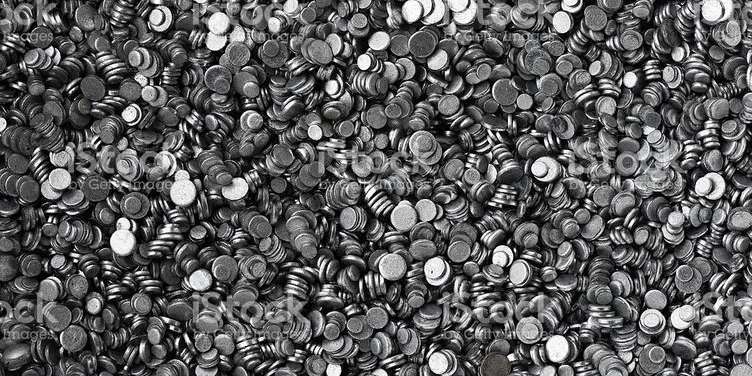
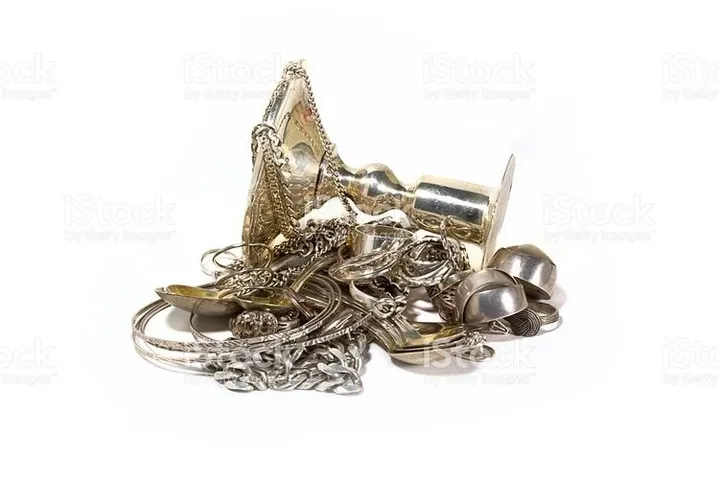
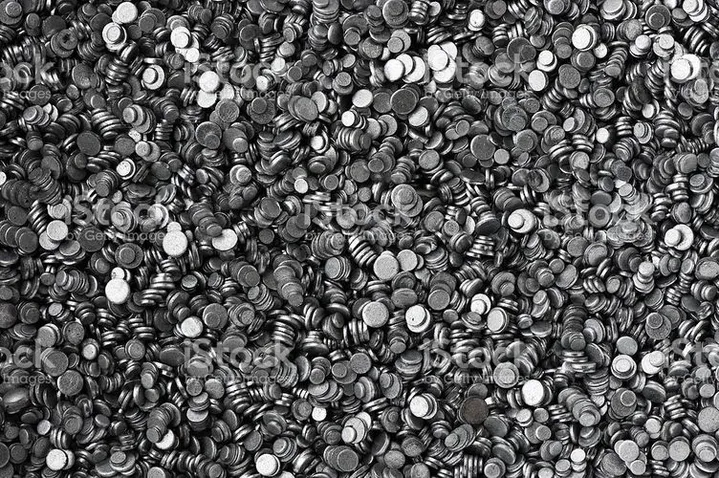
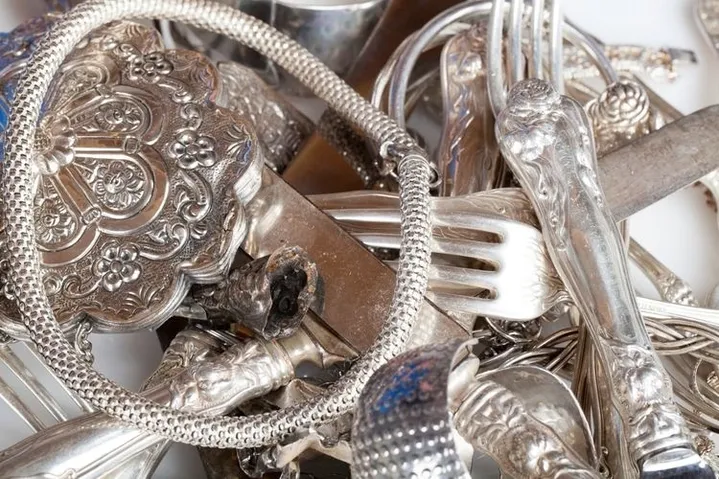
From industrial silver contacts to sterling silverware and jewelry, we specialize in refining it.
Palladium and Platinum
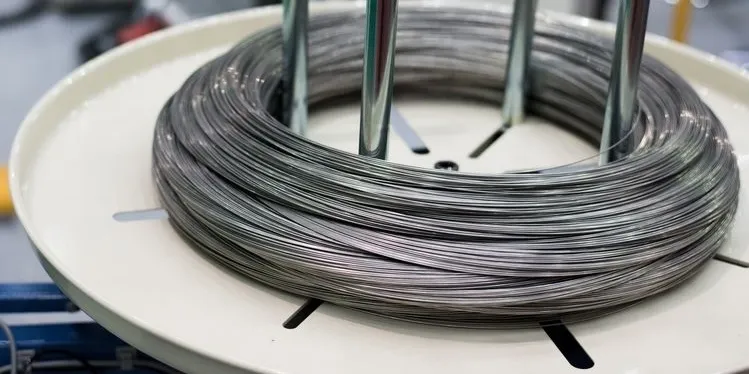
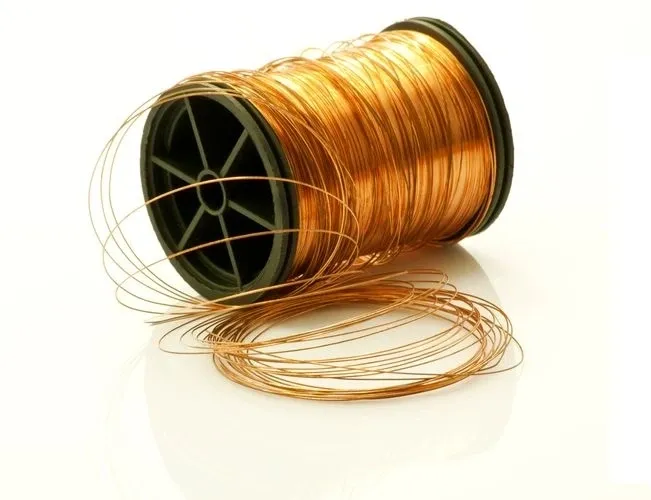
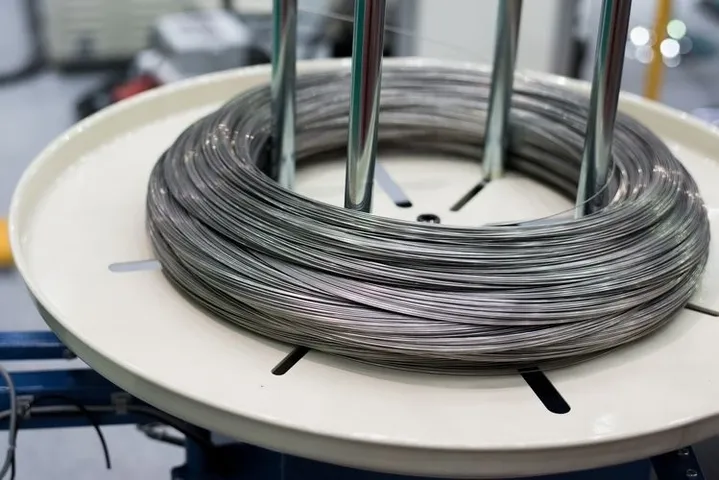
We process any quantity of high-value palladium and platinum, including rods, wire, and jewelry.
Dental Gold and Silver
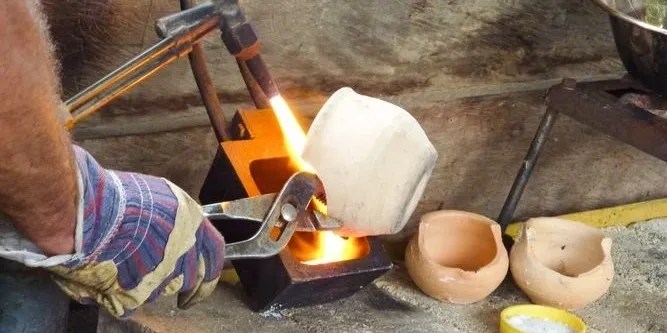
Dental crowns, bridges, and fillings contain valuable metals we refine these items and more.
X-Ray Film
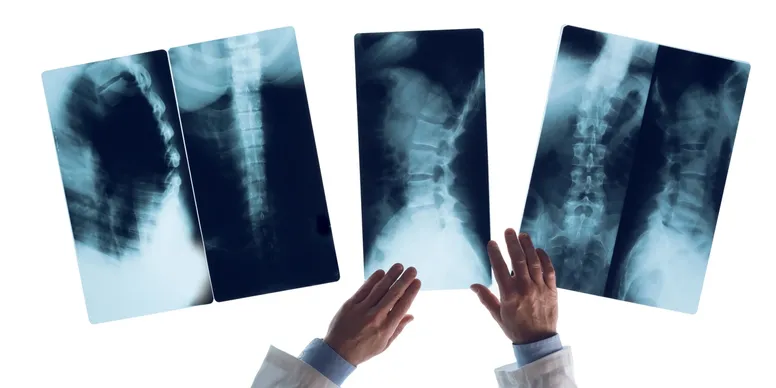
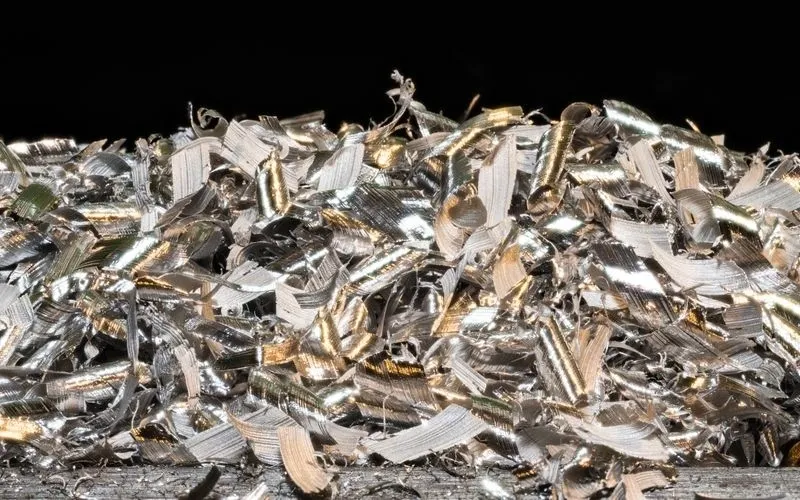
The silver in X-ray film can be extracted through the refining process.
Discover More - How to Refine Precious Metals
Sampling and Assaying
The process begins with sampling the raw material, which could be ore, scrap metal, or electronic components containing precious metals. Samples are taken and subjected to assaying, where the exact composition of the material is determined, including the percentages of precious metals and impurities present.
Physical Processing
Depending on the form of the raw material, physical processing may be required. This could involve crushing, grinding, or milling the material to increase surface area and expose the precious metals for extraction.
Chemical Treatment
Chemical treatment is the primary method for refining precious metals. The most common technique is called "leaching," where the material is treated with chemicals such as cyanide or acid to dissolve the precious metals into solution while leaving behind impurities. Various factors such as pH, temperature, and agitation are controlled to optimize the leaching process.
Precipitation
Once the precious metals are dissolved in solution, they need to be separated from the other elements. This is often achieved through precipitation, where a chemical is added to the solution to cause the precious metals to form solid particles, which can then be filtered out.
Smelting
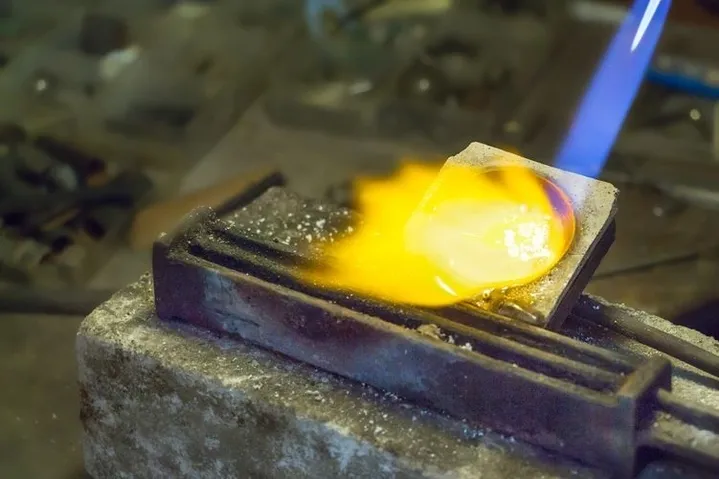
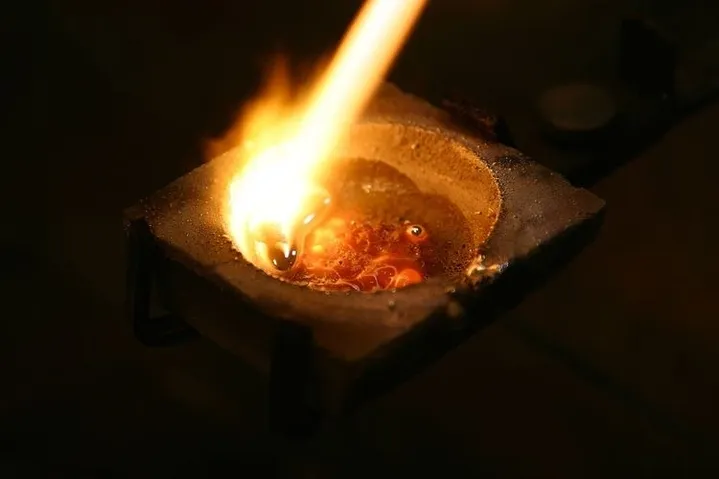
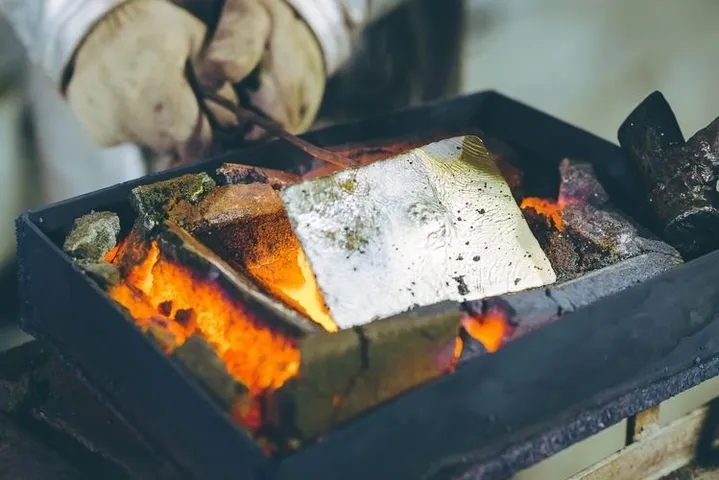
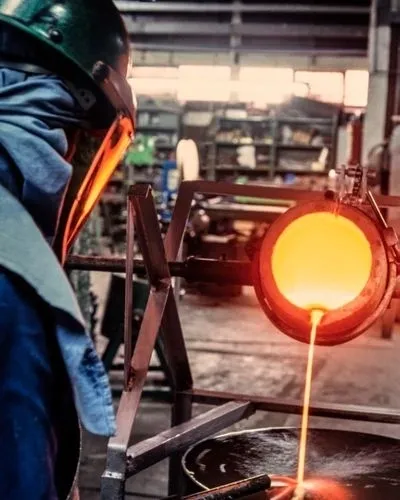
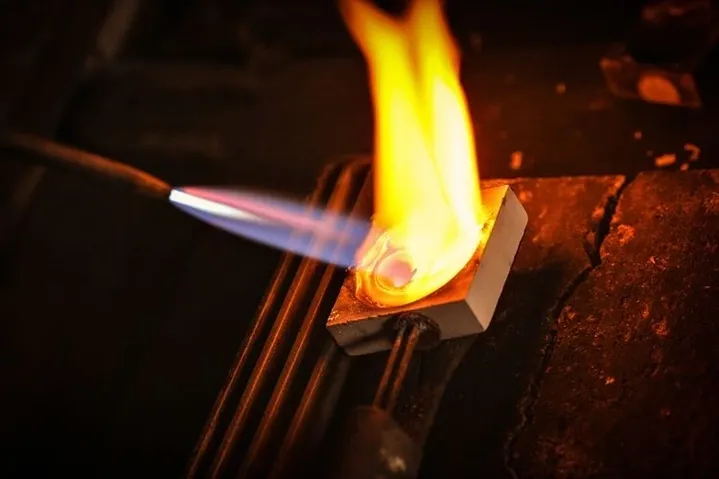
Smelting is the process of melting the precipitated material to separate the precious metals from any remaining impurities. This is typically done in a furnace at high temperatures, where the molten metal can be poured into molds to form ingots or bars.
Electrolysis
In some cases, electrolysis may be used to further purify the precious metals. This involves passing an electric current through the molten metal, causing the impurities to migrate to the electrodes, where they can be collected and removed.
Refining and Purification
The final step involves refining the precious metals to achieve the desired level of purity. This may involve additional chemical treatments, filtration, or other purification techniques to remove any remaining impurities and produce bullion or industrial-grade materials with the required purity level.
Contact Us
BUYING & SELLING - FREE APPRAISALS
Mon - Fri: Walk-in 10:00 AM - 2:00 PM | Appointments 2:30 PM - 5:00 PM
Sat: Call for hours